Thinking about listing your Almaden Valley home in the next 6 to 12 months? In a market where the median sale price hovers around the two‑million‑dollar mark, even small, smart upgrades can add tens of thousands to your bottom line. You want clear guidance that balances ROI, timelines, permits, and local buyer expectations. This guide gives you a focused, data‑backed pre‑listing plan tailored to Almaden so you can invest with confidence and list on schedule. Let’s dive in.
Why a focused plan pays in Almaden
Almaden is a high‑price, fast‑moving pocket of San Jose. As of February 2026, local sources report a median sale price near $2.03M, quick marketing times around 12 days, and sale‑to‑list ratios above 100%. Zillow’s ZHVI, a smoothed value index, shows Almaden around $2.16M as of late February 2026. In a region where Santa Clara County single‑family prices often approach or exceed $1.9M to $2.0M, even a 1 to 3 percent lift translates to real dollars. For broader context on the region’s pricing level, see the Silicon Valley Index overview from Joint Venture Silicon Valley, which highlights the area’s premium price environment (regional pricing context).
The takeaway: prioritize visible, high‑ROI improvements that help your home shine in photos and at first glance, and right‑size any larger projects so you do not overshoot the neighborhood’s top comparables.
High‑ROI upgrades to prioritize
Curb appeal first
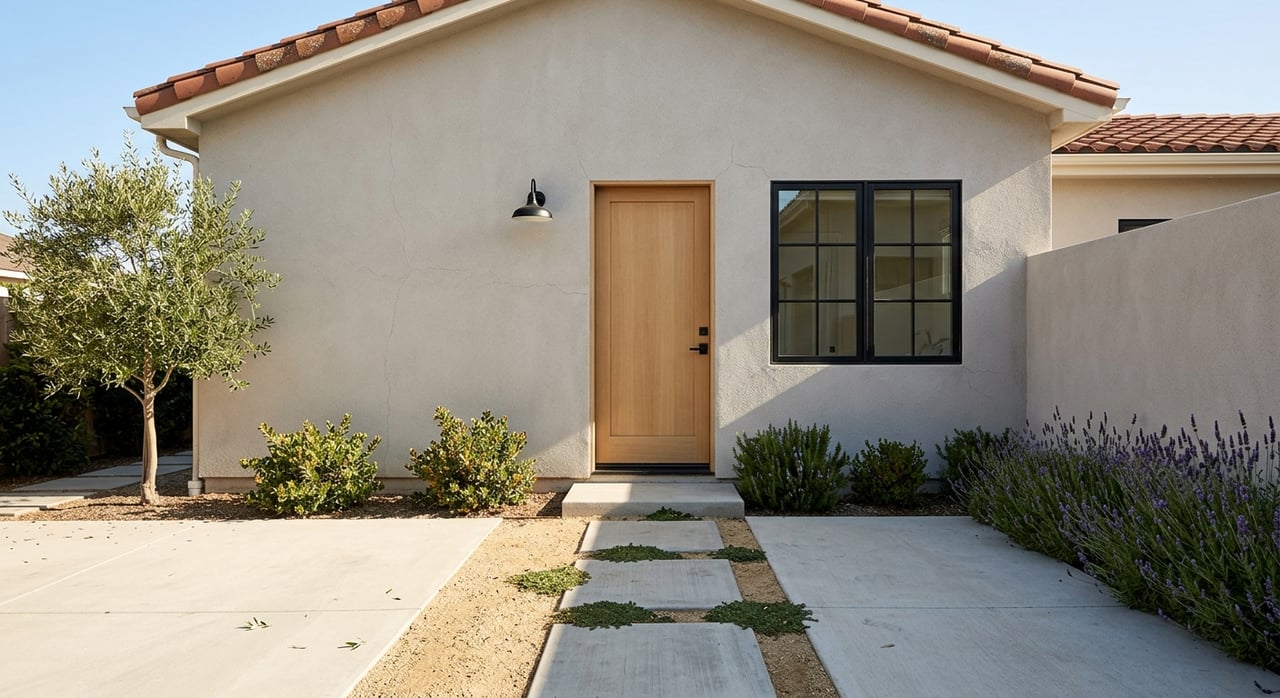
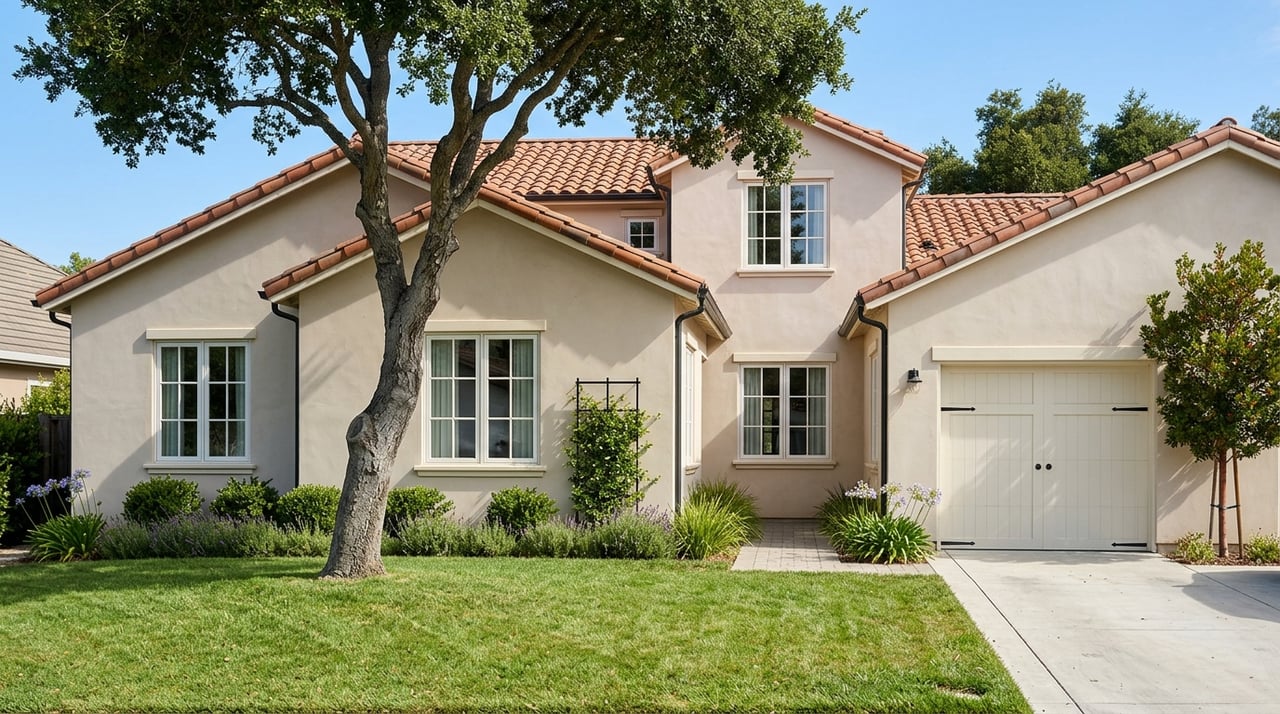
First impressions drive clicks and showings. Cost vs. Value’s Pacific region data shows a garage door replacement often recoups roughly 2.6 times its cost, and a steel entry door can recoup about 2.0 times its cost. Siding upgrades like fiber‑cement or manufactured stone veneer can also deliver strong returns when they clearly elevate your home into a stronger comp set. Review regional ROI benchmarks here (Pacific ROI benchmarks).
Why it matters in Almaden: strong curb appeal reduces buyer friction and sets a premium tone before they step inside.
Kitchen refresh over full gut
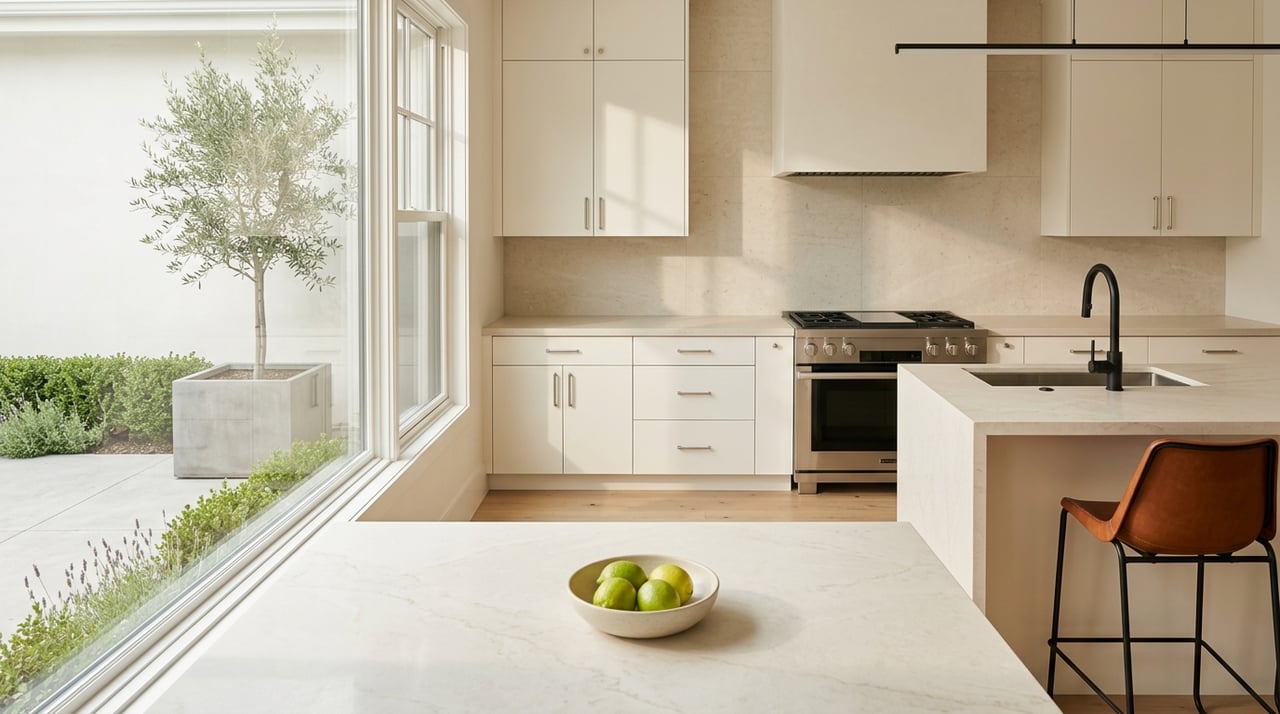
A minor or midrange kitchen refresh often returns more than 100 percent in the Pacific dataset, while major or upscale kitchen remodels tend to recoup far less on a percentage basis. Focus on what buyers notice most: quartz or stone counters, refaced or professionally painted cabinets, updated hardware and lighting, and midrange appliance swaps that photograph and live well. Save full gut renovations for homes that lag multiple price bands behind the neighborhood and only when comps support the leap. See the current Pacific figures for guidance (Cost vs. Value Pacific).
Bathrooms that feel new
Midrange bathroom remodels test well in the Cost vs. Value data for the Pacific region. Replace worn vanities, reglaze or refinish tile, refresh lighting and fixtures, and regrout for a clean, move‑in‑ready look. The goal is bright, neutral, and consistent with the home’s broader finish level, not luxury for luxury’s sake. Reference ROI ranges in the Pacific benchmarks (project ROI table).
Outdoor living that works
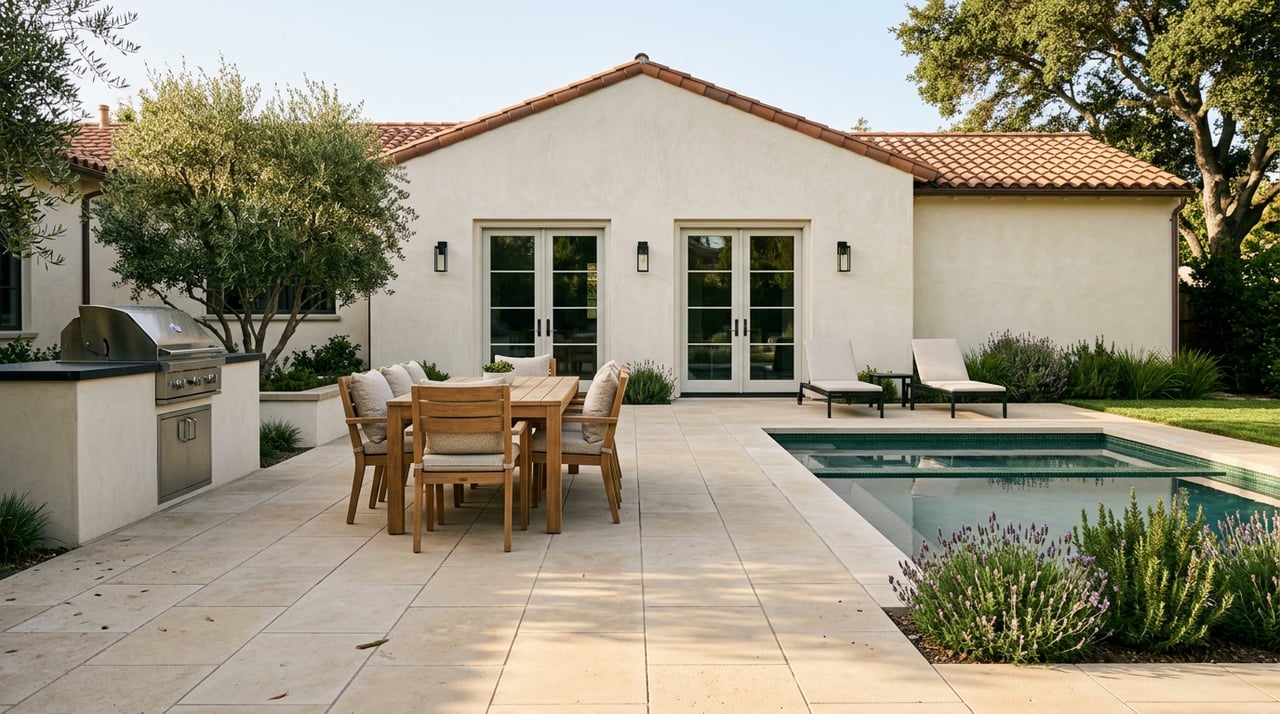
In our mild South Bay climate, usable decks and patios matter. Wood deck additions often recoup around or above 100 percent regionally, and simple, low‑maintenance landscaping aligns with buyer expectations in Santa Clara County. Think drought‑tolerant plantings, clean mulch beds, and clear pathways to outdoor dining zones (ROI data).
Systems that remove objections
New roofs, windows, and HVAC upgrades may not top the percentage ROI charts, but they can prevent price reductions, insurance issues, or failed escrows. Treat them as risk‑management investments that protect your contract price. Use the ROI table to weigh costs against likely buyer pushback (Pacific ROI table).
Staging, paint, and small repairs
Staging and decluttering consistently help buyers visualize a home and can shorten market time. NAR’s Profile of Home Staging documents measurable benefits, while agents regularly report time‑on‑market reductions with clean, neutral, well‑lit presentation. Prioritize deep cleaning, neutral interior paint, small repairs, and professional photography (NAR staging profile).
What to skip or right‑size
ADUs and big additions
Accessory Dwelling Units and large additions can be valuable for long‑term holds, but they rarely return a high percentage of cost at resale in the near term. For a 6 to 12 month sale horizon, they are usually not the best lever for maximizing net proceeds. If you do pursue an ADU on a longer timeline, know that San José has pathways to expedite with pre‑approved plans, but it still requires careful planning and months of lead time (ADU permit overview).
Do not over‑improve past the comp ceiling
The Cost vs. Value data is clear: minor kitchen projects typically outperform major upscale remodels in percentage recoup. Tie your finishes to the top three to five recent Almaden comps you want to compete with. The goal is to reach the neighborhood’s ceiling without outspending it.
Smart budgets for March 2026 sellers
Use regional Cost vs. Value job costs as conservative anchors, then validate with at least three local contractor bids.
As of March 2026, Pacific region planning anchors include:
- Minor kitchen remodel: roughly $29k to $30k
- Midrange bathroom: roughly $26k to $28k
- Deck addition (wood): roughly $18k
- Garage door replacement: roughly $4k to $5k
- Steel entry door: roughly $2.4k
See the full Pacific dataset for current figures (Cost vs. Value Pacific).
Sample allocation for a $2.0M Almaden home planning modest upgrades:
- Curb and exterior: $5k to $20k for garage door, paint touchups, and low‑maintenance landscaping (ROI context)
- Kitchen refresh: $25k to $40k for counters, cabinet refacing or paint, lighting, and midrange appliances (ROI table)
- Primary bath refresh: $8k to $25k depending on scope (ROI table)
- Systems and permit work: $2k to $15k for electrical panel, EV charger, or minor mechanical fixes. EV chargers in San José require an electrical permit and may be eligible for over‑the‑counter processing in simple cases (San José EV permit guide)
- Staging, photography, and final repairs: $2k to $8k depending on the scope and whether you do partial or full staging (NAR staging profile)
Tip: Run your proposed scope against recent Almaden solds to confirm you are moving toward the target comp set, not past it.
Two ready‑to‑use timelines
6‑month plan to list by mid‑September 2026
- Months 0 to 1 (Mar 16 to Apr 16, 2026): Order a comparative market analysis, complete a pre‑listing home inspection, and fix any health, safety, or water intrusion issues first. Solicit three bids for prioritized projects. If you plan an EV charger or panel work, file permits now (NAR staging insights).
- Months 2 to 4 (Apr 17 to Jul 16, 2026): Execute curb appeal items like the garage door and entry door, exterior paint touchups, and landscaping. Tackle a minor kitchen refresh and one midrange bathroom refresh. Minor kitchen work commonly spans 8 to 12 weeks; confirm lead times for appliances and materials early (remodel timing guide; Pacific ROI context).
- Month 5 (Jul 17 to Aug 16, 2026): Complete final mechanical checks. Implement your staging plan, then book professional photography and floor plans. Staging and media usually take 1 to 3 weeks (NAR staging profile).
- Month 6 (Aug 17 to Sep 16, 2026): Launch pre‑listing marketing, share a soft preview with agent networks, and go live. Aim for a late summer to early fall window, keeping in mind local seasonality and your home’s readiness.
12‑month plan for bigger scope or ADU
- Months 0 to 2: Complete CMA and inspection, finalize design scope for any permitted work, and submit plans. San José indicates that plan‑check timelines vary by complexity, and complete single‑family submittals can take roughly 12 weeks through review (plan‑check guidance).
- Months 3 to 8: Execute permitted work, order long‑lead items early, and keep weekly check‑ins with your contractor to protect schedule.
- Months 9 to 10: Focus on cosmetic refreshes, curb appeal, and punch‑list items.
- Months 11 to 12: Stage, photograph, market, and list. For ADUs specifically, review the City’s pre‑approved options and timelines before committing to the investment (ADU permit overview).
Permits and paperwork in San José
- Many cosmetic items like interior painting or basic cabinet refacing do not require a building permit. Structural, electrical, plumbing, and mechanical work usually does. Always confirm with the City’s permit center.
- Residential Level‑2 EV chargers require an electrical permit. In many cases, San José offers over‑the‑counter permit options for straightforward installations (EV charger permits).
- Plan‑check timelines vary by project. For complete single‑family submittals, allow time for the review process and inspections (plan‑check guidance).
- Unpermitted work can derail appraisals and closings. Verify past permits, keep contractor documentation handy, and disclose fully.
- Prepare natural hazard disclosures and insurance details early. Almaden includes areas with flood and fire considerations, which can affect underwriting and buyer confidence.
- School assignments vary within Almaden. Work with your agent to accurately present current school attendance information in your listing materials in a neutral and factual way.
Common pitfalls to avoid
- Overspending on luxury finishes that do not match the comp ceiling. Minor kitchen projects typically deliver higher percentage returns than major upscale remodels in the Pacific region (ROI reference).
- Skipping a pre‑listing inspection. Undiscovered safety or mechanical issues can stall or sink a deal.
- Ignoring long‑lead items. Appliances, windows, or custom materials can extend timelines if not ordered early (remodel timing guide).
- Starting work without permits. Electrical, plumbing, and structural changes should run through the City to avoid closing delays.
- Underinvesting in presentation. Staging, paint, and photography remain some of the highest‑impact, lowest‑cost moves you can make (NAR staging profile).
Build your Almaden‑specific plan
You do not need a massive renovation to win in Almaden. A data‑driven plan that targets curb appeal, a minor kitchen refresh, a bathroom update, and expert staging often delivers the best return on time and budget. If you want help prioritizing scope, coordinating bids and timelines, and positioning your home to outperform local comps, connect with Brett Bynum for a personalized pre‑listing plan.
FAQs
What are the best pre‑listing projects for Almaden ROI?
- Curb appeal upgrades like garage and entry doors, a minor kitchen refresh, a midrange bath update, and professional staging typically offer the strongest percentage returns in the Pacific region.
How much should I budget for a minor kitchen remodel in March 2026?
- Use $29k to $30k as a regional planning anchor from the Pacific Cost vs. Value dataset, then confirm with three local bids and your target comp set.
Do I need permits for painting, cabinet refacing, or an EV charger in San José?
- Painting and simple refacing usually do not require permits. Electrical work, including Level‑2 EV chargers, requires an electrical permit and may be processed over the counter for simple cases.
Is building an ADU before selling worth it within 12 months?
- Often no. ADUs and large additions can take months to design, permit, and build, and they tend to recoup a smaller share of cost at resale on a short horizon.
When is the best time to list in Almaden?
- Spring through early summer is typically active in the South Bay. Focus on listing when your property is fully prepared and media is complete rather than rushing the market.
How do school zones and natural hazards affect my sale?
- School assignments and local hazard factors can influence buyer interest and underwriting. Present school information factually, prepare full disclosures, and have insurance details ready for buyers.