Thinking about selling your Almaden Valley home soon but unsure which upgrades will actually pay off? You’re not alone. In higher-value pockets of San Jose, buyers want move-in ready homes, but not every project returns what you invest. This guide focuses on practical, high-ROI improvements tailored to Almaden’s buyer profile, with budget ranges, timing, and a clear plan for the next 6 to 18 months. Let’s dive in.
Why Almaden ROI is different
Almaden Valley sits above the Santa Clara County median in home value, and buyers here are often professionals and families who favor function, quality, and clean presentation over bargain projects. That means you should focus on updates that check the boxes buyers expect while avoiding costly overcustomization.
- Buyers often prefer move-in readiness and modern basics.
- Competitive homes feature updated kitchens, clean flooring, and landscaped yards.
- High-ticket luxury upgrades can miss the mark if they exceed neighborhood comps.
Top high-ROI projects in Almaden
Interior paint: Fast refresh, strong signal
Fresh, neutral paint delivers an immediate lift in photos and in person.
- Why it matters: Clean walls and trim suggest a well-maintained home.
- Buyer expectation: Off-white or warm gray walls with crisp trim.
- Typical budget: $3,000 to $10,000 depending on size and prep.
- ROI notes: High. Often recoups a large share of cost by improving offer quality and time on market.
Kitchen refresh: Focused updates over full demos
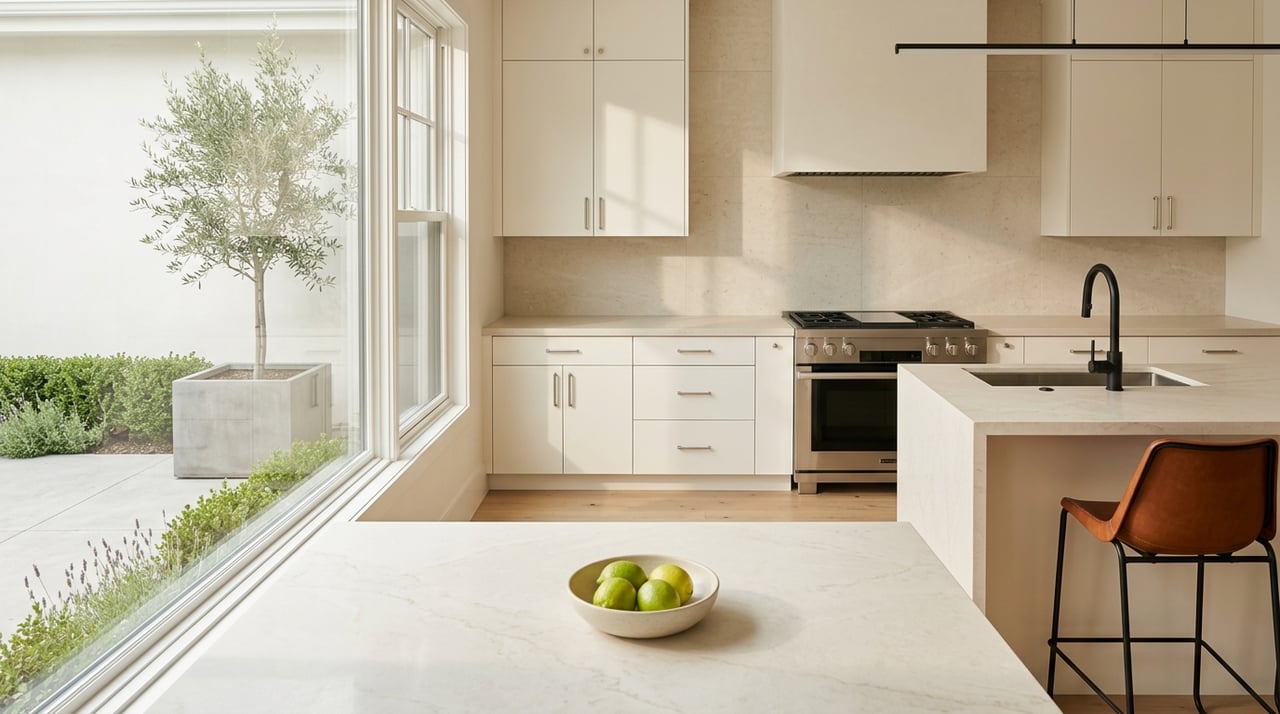
Most Almaden buyers want a functional, modern kitchen without paying for a brand-new custom build.
- What to do: Paint or reface cabinets, swap hardware, install quartz or fresh laminate counters, update faucet and sink, add a clean backsplash, refresh lighting, and replace aging appliances as needed.
- Typical budget: $8,000 to $25,000 for a minor refresh; full remodels begin around $50,000 and can exceed $150,000.
- ROI notes: Refreshes usually outperform full gut remodels for near-term resale. Avoid overcapitalizing beyond neighborhood standards.
Flooring: Consistency sells
Flooring sets the tone for your home’s condition.
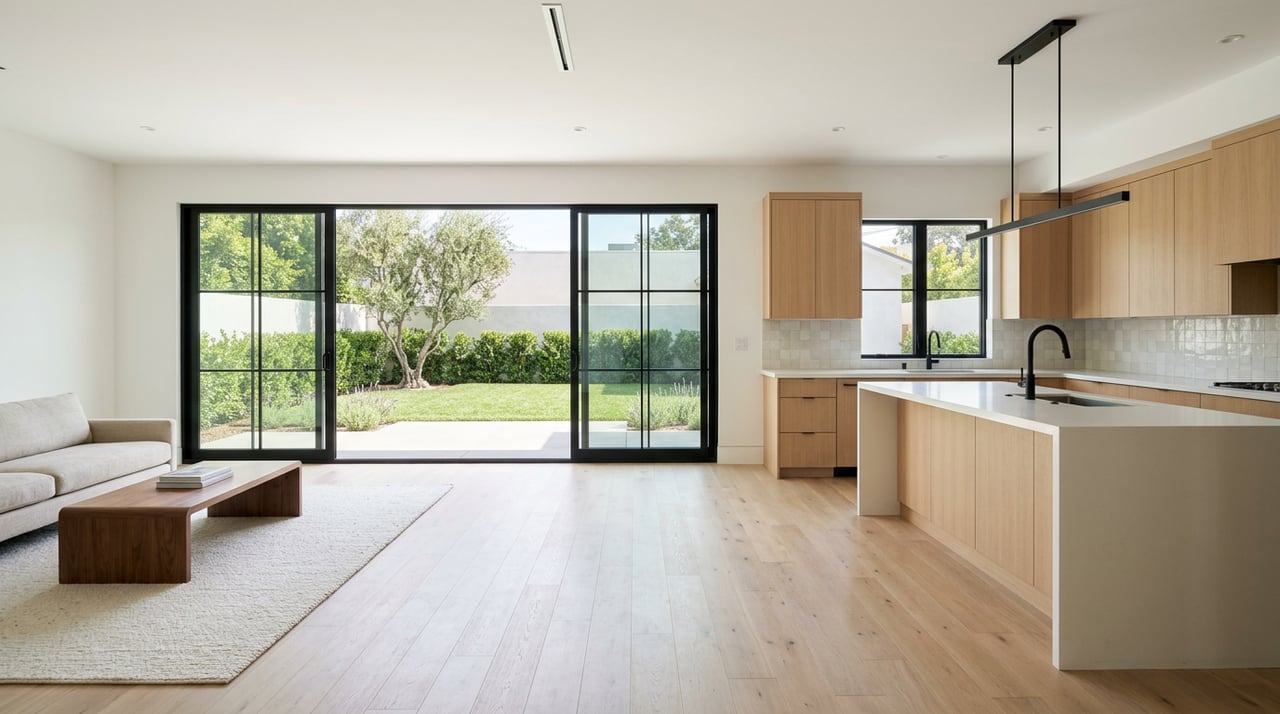
- What to prioritize: Uniform hard surfaces in main areas such as engineered wood, quality tile, or luxury vinyl plank. Limit carpet to bedrooms if at all.
- Typical budget: $8,000 to $25,000+ to replace carpet with LVP or engineered wood; $3,000 to $8,000 to refinish existing hardwood.
- ROI notes: High when replacing worn carpet or mismatched surfaces. Choose durable, neutral options.
Bathrooms: Targeted touch-ups
Small bathroom upgrades can feel like a big win.
- What to do: Regrout, swap vanities or counters, replace fixtures and toilets, refinish tubs, and refresh lighting.
- Typical budget: $4,000 to $12,000 for a minor refresh; $15,000 to $40,000 for a mid-range remodel.
- ROI notes: Moderate to high for cosmetic updates. Go easy on luxury finishes unless neighborhood comps support it.
Curb appeal and landscaping: First impressions matter
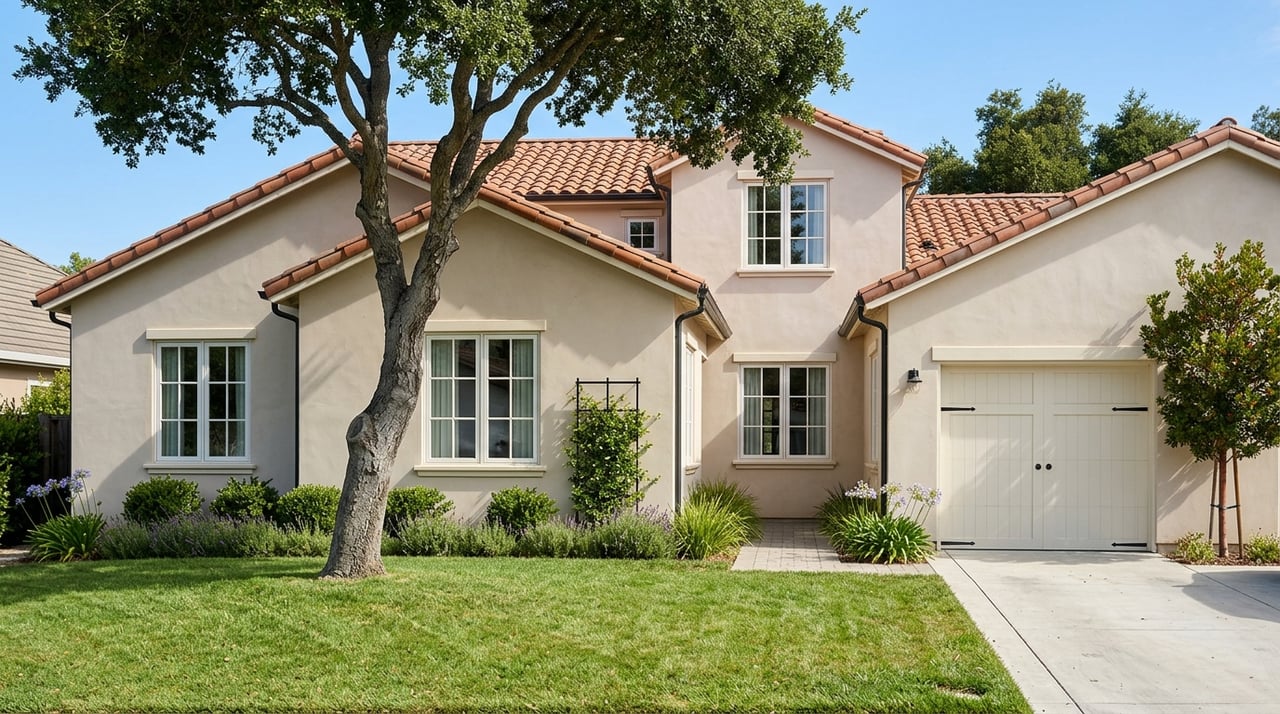
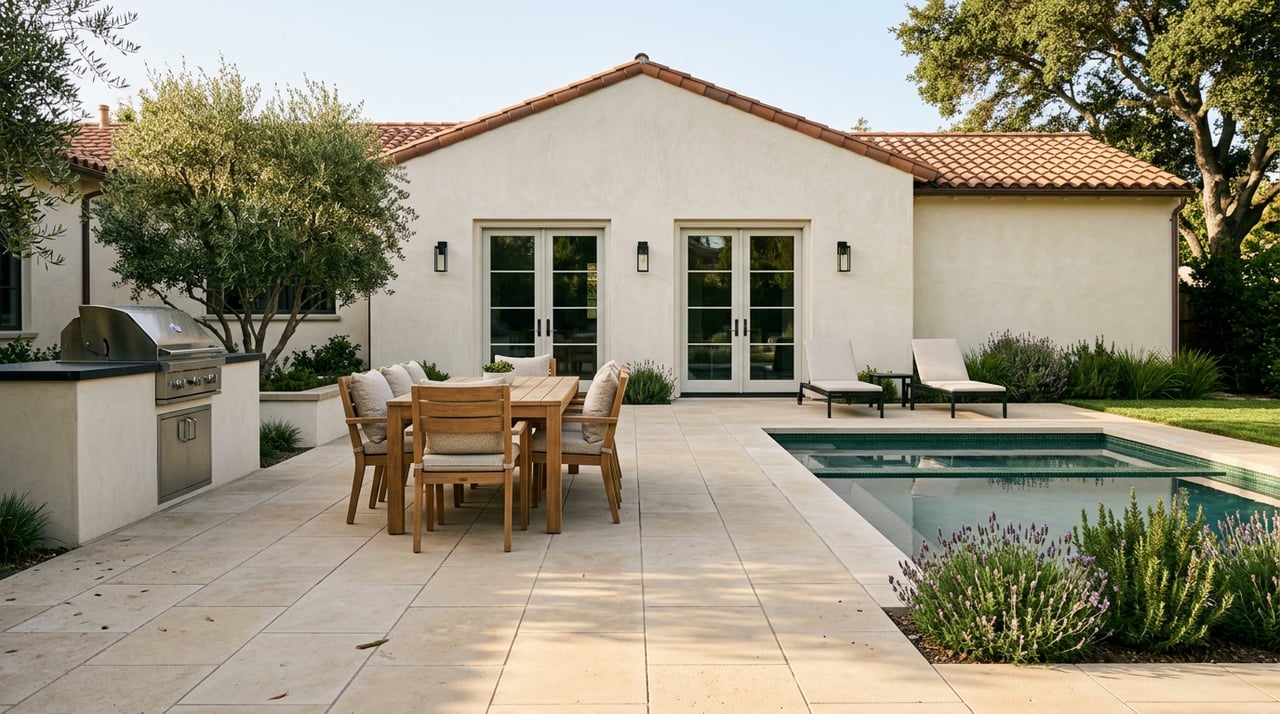
Almaden buyers value usable outdoor space and low-maintenance yards.
- What to do: Power wash, paint or replace the front door, update house numbers and lighting, tidy planting beds, add mulch, and consider drought-tolerant plants with efficient irrigation.
- Typical budget: $2,000 to $20,000 depending on scope and yard size.
- ROI notes: Very good. This boosts showing activity and perceived value from the first photo.
Essential repairs: Non-negotiables
Fix the problems that kill deals and trigger concessions.
- What to address: Roof issues, HVAC at end of life, water heater, plumbing leaks, electrical safety items, termite repairs, and any foundation or major defects.
- Typical budget: Roof $8,000 to $30,000+; HVAC $4,000 to $12,000+; water heater $1,000 to $3,500.
- ROI notes: These are must-do items. They protect your net proceeds by reducing credits and renegotiations.
Energy and mobility: EV and solar as perks
These features are increasingly relevant in Silicon Valley, but returns vary.
- EV chargers: Level 2 hardwired is a plus. Budget $800 to $2,500 installed.
- Solar: Owned systems can appeal to buyers; leased systems can complicate transfers.
- ROI notes: Mixed. Provide documentation of ownership and recent utility data when possible.
Staging and small fixes: Big perceived value
Professional staging, decluttering, and quick repairs can outperform many remodels.
- What to do: Stage key rooms, fix squeaks and dings, replace tired light fixtures, patch drywall, and tune up doors and drawers.
- Typical budget: Staging often ranges from $1,500 to $6,000+ based on size and duration.
- ROI notes: Very strong. Staged homes typically photograph better and attract faster, cleaner offers.
Projects to avoid before listing
Save your budget for what buyers value most.
- Overbuilt custom luxury finishes that exceed local comps.
- Large structural additions without clear price-per-square-foot support.
- Landscaping that requires long establishment time unless it delivers immediate curb appeal and water-wise function.
Your 6 to 18 month plan
A realistic timeline helps you finish on schedule and list at peak condition.
If you plan to sell in 6 to 9 months
- Prioritize interior paint, flooring, kitchen refresh, bathroom touch-ups, and curb appeal.
- Order a pre-inspection to identify deal-killers early.
- Schedule staging and photography after all work is complete and the home is spotless.
If you plan to sell in 9 to 18 months
- Consider larger mechanical updates if needed, such as HVAC, roof work, or an exterior paint job.
- If comps support it, expand your kitchen or bath scope. Keep materials in line with neighborhood standards.
- Plan landscape redesigns that are drought-friendly and easy to maintain.
Typical project timelines
- Interior paint: 1 to 2 weeks including minor drywall.
- Flooring replacement: 1 to 3 weeks depending on scope.
- Kitchen refresh: 2 to 6 weeks.
- Full kitchen remodel: 8 to 16+ weeks depending on permits and materials.
- Front yard refresh: 1 to 3 weeks; major designs take longer.
Permits and approvals in San Jose
Check permit requirements early to avoid delays.
- Likely permits: Structural changes, significant electrical or plumbing, HVAC changes, and some exterior work.
- HOA checks: Confirm any architectural approvals and submission timelines.
- Lead times: Simple permits can take about 1 to 4 weeks; complex plans may take months. Start early if you anticipate structural or system upgrades.
Budget control and contractor selection
Good planning preserves ROI in the Bay Area’s higher-cost environment.
- Get at least three detailed, apples-to-apples bids.
- Verify licenses, insurance, references, and recent local work.
- Request itemized pricing and separate permit or inspection costs.
- Hold a 10 to 20 percent contingency for surprises.
- Consider a project manager if multiple trades must be sequenced.
Almaden-specific risks to plan for
- Water stewardship: Drought-tolerant plantings, smart irrigation, and permeable hardscape reduce upkeep and align with local norms.
- Wildfire edge areas: Some Almaden homes near open space may need defensible space and vegetation maintenance. Confirm local guidance and disclose any known hazards.
- Seismic items: Older homes may have vulnerabilities. If you suspect issues, get an early evaluation.
- Unpermitted work: Older Bay Area homes sometimes have legacy projects. Consider regularizing permits or gather documentation and disclose up front.
Decision framework and next steps
Use this quick prioritization to protect your net proceeds.
- Urgent before listing: Roof and major structural defects, HVAC failures, leaks, electrical safety, termite damage.
- High priority, strong ROI: Interior paint, minor kitchen refresh, flooring updates, bathroom touch-ups, staging, curb appeal.
- Situational based on comps: Full kitchen remodel, major landscaping overhaul, owned solar.
- Defer or avoid: Highly personal or ultra-premium finishes that outpace the neighborhood.
Next steps to move forward with confidence:
- Schedule a pre-listing consultation and comparative market analysis to align scope and budget with Almaden comps.
- Order a home inspection or contractor walkthrough to create a prioritized repair list with ballpark costs.
- Gather two to three bids per trade and clarify permit needs and lead times.
- Confirm a renovation budget that fits projected sale price and avoids overcapitalizing.
- Sequence projects to finish several weeks before photos to allow touch-ups, cleaning, and staging.
Maximize your sale outcome
If you want a clear, numbers-first plan for preparing your Almaden Valley home, you deserve a local advisor who balances market data with practical renovation know-how. For a tailored ROI roadmap, timelines, and trusted contractor referrals, connect with Brett Bynum. Book a Consultation to get started.
FAQs
What are the best renovations for resale in Almaden Valley?
- Focus on interior paint, a kitchen refresh, consistent hard-surface flooring, bathroom touch-ups, curb appeal, and essential repairs for the strongest ROI.
How much should I budget for a kitchen refresh before selling?
- In Almaden and the broader Silicon Valley, plan roughly $8,000 to $25,000 for a refresh and reserve more only if neighborhood comps support a larger remodel.
Are EV chargers and solar worth adding for resale in San Jose?
- EV chargers are increasingly expected; solar can help if owned, while leased systems can complicate transfers, so provide clear documentation for buyers.
What projects should I avoid before listing my Santa Clara County home?
- Skip highly custom luxury finishes, large additions without comp support, and landscaping that needs long establishment time to look finished.
Do I need permits for pre-sale renovations in San Jose?
- You typically need permits for structural changes and significant electrical, plumbing, or HVAC work; always confirm requirements and HOA rules early.
How far in advance should I start pre-listing improvements?
- With a 6 to 18 month horizon, begin planning now; schedule high-ROI cosmetic work early and allow a buffer for permits, delivery, and final staging.