Thinking about making Los Gatos home? You are not alone. This small town on the edge of Silicon Valley draws people who want a walkable downtown, quick access to nature, and a calmer pace without giving up tech‑hub convenience. In this guide, you will get a clear picture of day‑to‑day life, schools, commutes, housing options, and what to know before you buy.
Let’s dive in.
Los Gatos at a glance
Los Gatos sits at the southern edge of the Santa Clara Valley, right against the Santa Cruz Mountains. You get a distinct small‑town center paired with suburban and hillside neighborhoods. Many residents work across the South Bay while enjoying weekend life close to home.
The feel is relaxed and well‑resourced. The downtown core is active, but most residential streets are quiet. Expect a higher cost of living compared with broader county and national averages, and a housing market that leans toward the premium end of Silicon Valley.
Daily life and downtown
Walkable core. Downtown centers on North and South Santa Cruz Avenue with independent cafes, restaurants, wine bars, boutiques, a movie theater, and art galleries. If you live nearby, it is easy to walk for coffee, dinner, or errands.
Dining and shopping. You will find a strong mix of locally owned spots and specialty food shops. Everyday services like salons, banks, medical and dental offices are in town, with larger retailers a short drive away in nearby cities.
Community events and culture. Expect a farmer’s market, seasonal festivals, small outdoor concerts, and holiday gatherings. The public library and community centers offer classes and meeting space that keep the calendar full.
Parking and practicalities. Downtown has municipal lots and street parking. It is usually straightforward during weekdays and busier on weekends or during events, when time limits and meters matter more.
Schools and family considerations
District structure. Elementary and middle grades are served by local Los Gatos districts, and high school is part of the Los Gatos‑Saratoga Joint Union High School District. These districts are generally known regionally for strong academics and active parent involvement.
Performance and fit. Local schools typically score above state averages on many measures. Always review current data directly from district and state sources and visit campuses to understand programs, enrollment, and any recent changes.
Enrollment basics. Many neighborhoods are tied to specific elementary schools, and popular programs can fill quickly. If schools are a priority, confirm boundaries early, learn transfer policies, and plan around registration timelines.
Childcare options. Preschools, private daycares, and after‑school programs exist in town, but capacity and cost can be deciding factors. Start your search early if you need a spot aligned with your move‑in date.
Getting around and commuting
Car‑centric, commuter‑friendly. Most residents drive to South Bay employment centers like Cupertino, Mountain View, Sunnyvale, and San Jose. Access to major routes that connect to CA‑85 and I‑280 shapes daily travel. Traffic can vary a lot by time of day and destination, so budget buffer time during peak hours.
Public transit. Los Gatos is served by VTA bus routes that connect to larger transit hubs. There is no Caltrain station in town. Many commuters drive to nearby Caltrain stations or to San Jose Diridon to continue by rail. Some employers offer shuttles or encourage park‑and‑ride options.
Everyday errands. If you live near downtown, you can walk for coffee, a quick dinner, or basic services. Larger errands like big‑box shopping or regional medical visits usually mean a short drive.
Outdoor recreation and open space
Local parks and trails. The Los Gatos Creek Trail is a favorite for walking, running, and biking. Town parks and neighborhood greens offer picnic areas, playgrounds, and casual recreation.
Regional highlights. Vasona Lake County Park provides boating, paths around the lake, and event space just minutes from downtown. Trail systems lead into the Santa Cruz Mountains for hiking, trail running, and mountain biking.
Year‑round access. The Bay Area climate supports outdoor time throughout the year. Seasonal fire risk and occasional weather can impact trail access, so check conditions if you plan a mountain day.
Housing options and neighborhood types
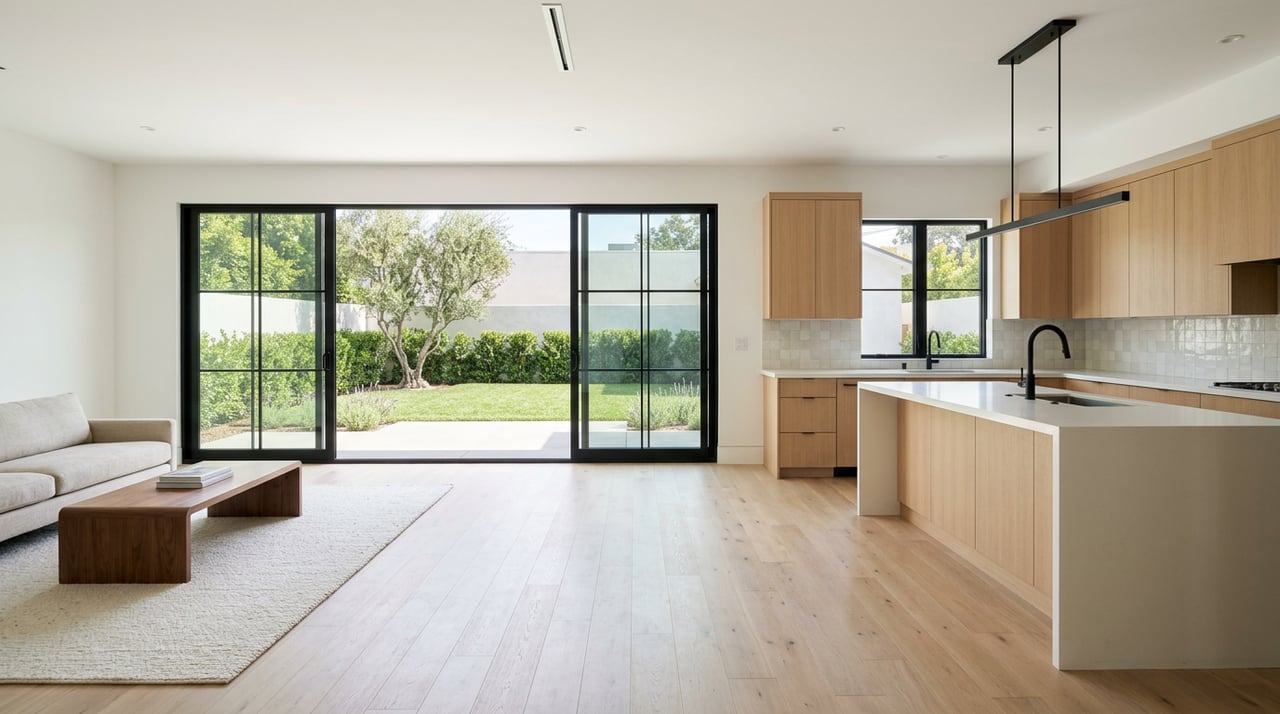
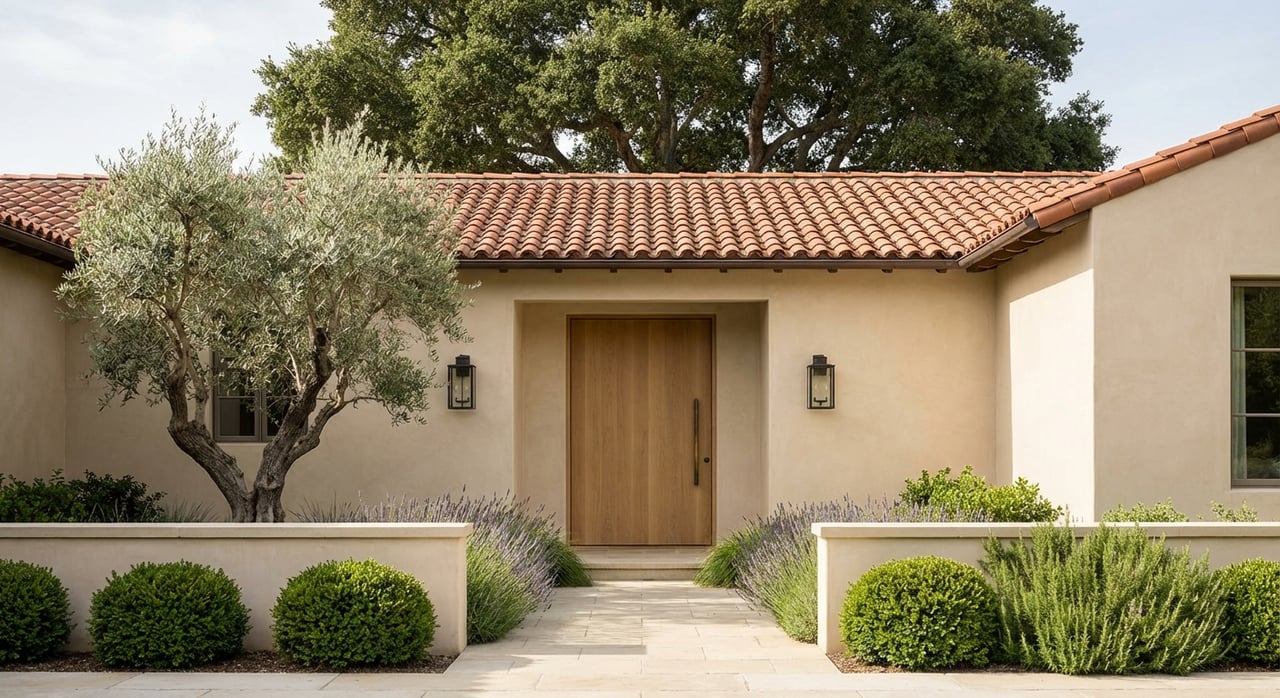
Near downtown. Expect older homes on smaller lots, including early 20th‑century bungalows, cottage‑style homes, and craftsman properties. Yards are often compact with mature landscaping, and some homes may have updated systems while others need work.
Suburban streets. Mid‑century ranch‑style homes on moderate lots are common. These neighborhoods offer a more traditional suburban layout with sidewalks and easy access to schools and parks.
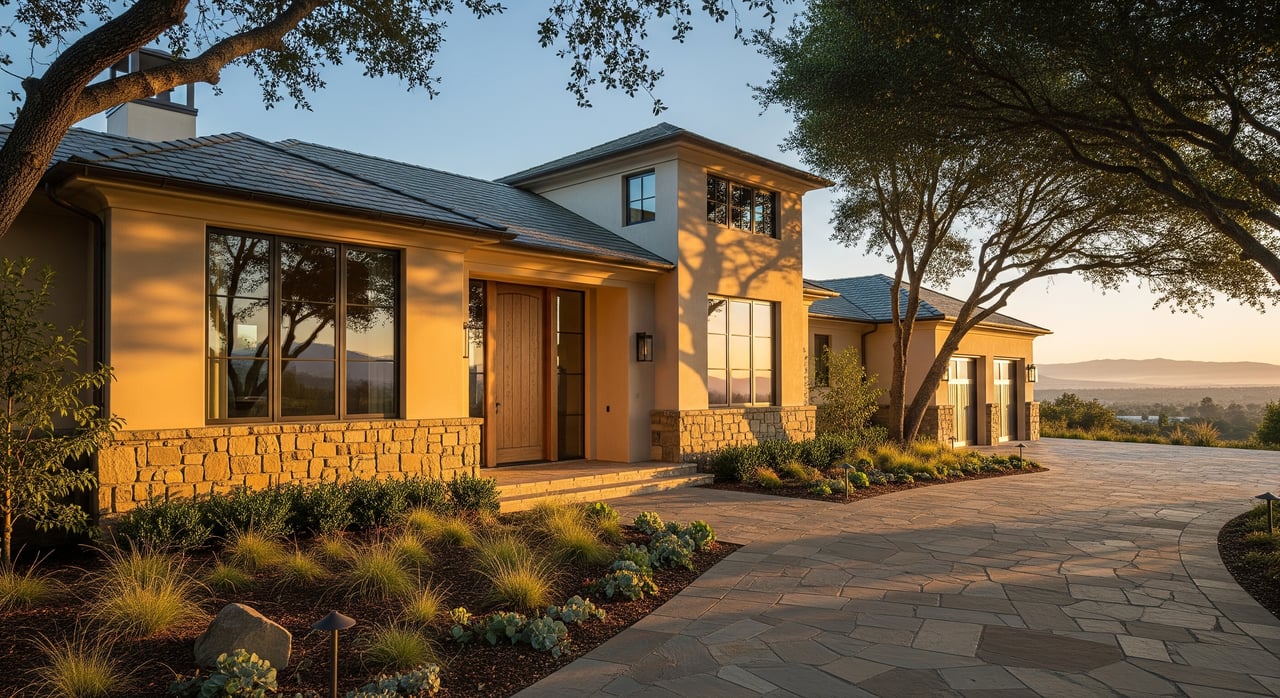
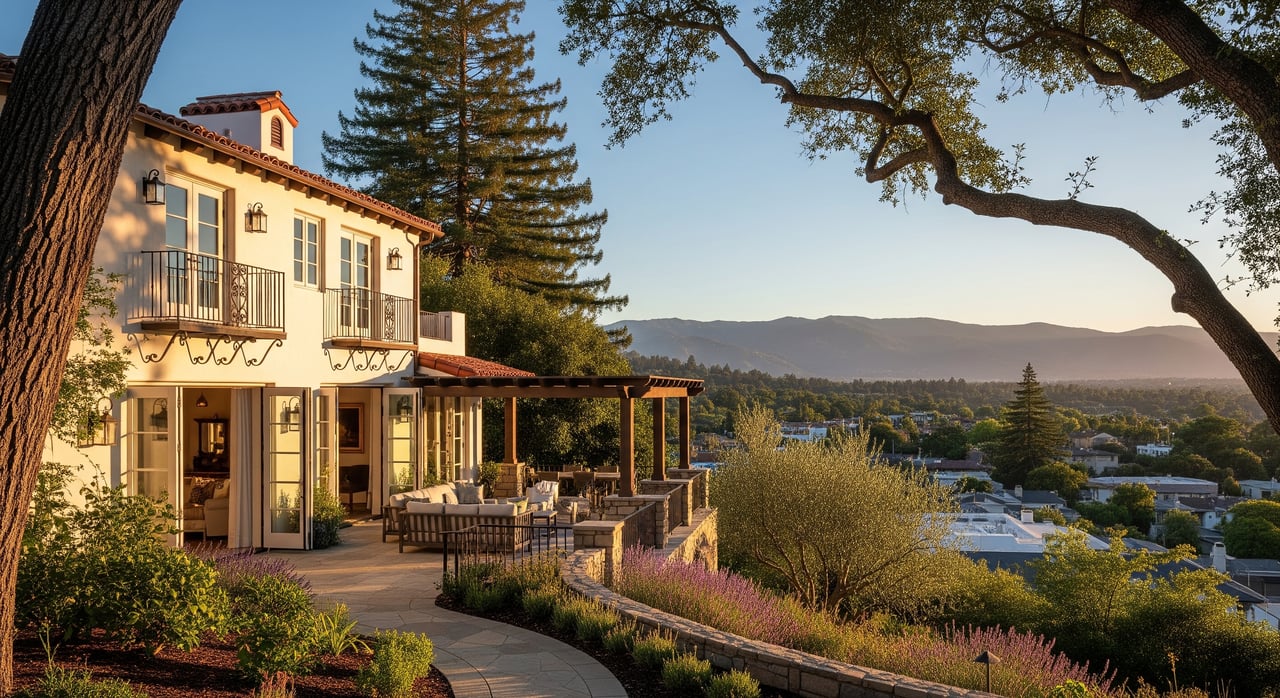
Hillside and view properties. Foothill and hillside areas feature larger lots, renovated or newer homes, and expansive valley views. These properties often command premium prices and may carry higher maintenance or insurance costs.
Condos and townhomes. While single‑family homes are the norm in many neighborhoods, you will also find townhouse and condo options that can offer a lower entry price and simplified maintenance, sometimes with HOA amenities.
What to budget beyond the purchase price
Property taxes. California’s Proposition 13 typically sets a base property tax rate around 1 percent of assessed value, plus local assessments that vary by property. Verify the total tax rate and any parcel assessments with the county before you write an offer.
HOA dues. Some developments and condo communities include monthly dues that cover common area upkeep, amenities, and rules. Review HOA financials, reserve studies, and restrictions during due diligence.
Maintenance and upgrades. Older homes near downtown may need seismic retrofits, plumbing or electrical updates, and ongoing maintenance. Hillside homes can involve larger landscaping work, driveway or retaining wall upkeep, and specialized drainage management.
Risks and regulations to understand
Wildfire exposure. Foothill and mountain‑adjacent neighborhoods can face higher wildfire risk. Review statewide hazard maps, local fire advisories, and insurance guidance. Many properties benefit from defensible space planning and active vegetation management.
Earthquakes. The region is seismically active. Factor in retrofit needs, foundation health, and earthquake insurance as part of your budget and inspection focus.
Flooding and microclimates. Homes near creeks and low‑lying areas may have some flood exposure. Check floodplain designations and confirm whether flood insurance is recommended for a specific property.
Insurance and utilities. Insurance availability and premiums can vary by location and risk profile. Be aware that regional utilities have used public safety power shutoffs during periods of elevated wildfire risk. Ask for seller disclosures that cover prior outages and any mitigation work.
A week in Los Gatos
On a weekday, you might grab coffee downtown, drive to a meeting in Cupertino, and return for a run along the Los Gatos Creek Trail before dinner at a local restaurant. On Saturday, a late breakfast on Santa Cruz Avenue and an afternoon at Vasona Lake could roll into a small‑venue concert or wine tasting. Sunday may be errands, a library stop, and a short hike into the foothills. The rhythm is easy to maintain without leaving town very often.
Buyer checklist for Los Gatos
- Map your top neighborhoods, then walk them at different times of day.
- Confirm school boundaries, enrollment timelines, and program details directly with districts.
- Test your commute options during peak hours, including a drive to Caltrain or Diridon if you plan to use rail.
- Price out ownership costs: property tax, HOA dues if applicable, utilities, and an annual maintenance budget.
- Assess risk factors early. Review wildfire, seismic, and flood considerations and get insurance quotes before you offer.
- Plan for renovations. Scope any needed upgrades and get rough bids so you understand total cost of ownership.
Work with a local advisor
Los Gatos rewards buyers who plan carefully. You get a high quality of life, real access to nature, and a walkable downtown, but the market is competitive and every neighborhood has nuances. If you want data‑driven guidance, thoughtful pricing and renovation advice, and a calm hand through negotiations, connect with a local expert. Ready to talk strategy for your move or purchase plan? Reach out to Brett Bynum to book a consultation.
FAQs
Is downtown Los Gatos walkable for daily errands?
- The downtown core is compact and supports easy walks to cafes, restaurants, boutiques, and services, especially if you live in nearby neighborhoods.
How do Los Gatos schools generally perform?
- Local districts are widely recognized for strong academics and community involvement, and schools typically score above state averages on many metrics.
What are typical commute options from Los Gatos?
- Most residents drive to South Bay job centers using routes that connect to CA‑85 and I‑280, with some combining driving and regional transit like Caltrain from nearby stations.
What types of homes are available in Los Gatos?
- Options range from downtown bungalows and mid‑century ranch homes to hillside estates with views, plus a selection of condos and townhomes.
What risks should I evaluate before buying in Los Gatos?
- Review wildfire exposure in foothill areas, seismic considerations across the region, potential flood zones near creeks, and the availability and cost of insurance for the specific property.