If you want top-quartile pricing in Cambrian Park without sinking months and money into the wrong projects, you need a focused plan. Buyers across the South Bay expect move-in ready homes, clean inspections, and modern touches. You can deliver that feel with a targeted scope, a clear budget, and tight vendor coordination. In this guide, you will learn exactly how to prep, what to prioritize for ROI, how much to spend, and how to time your launch. Let’s dive in.
Why inspection-first wins in Cambrian Park
Starting with a pre-listing inspection puts you in control. It surfaces issues early so you can decide what to fix, what to credit, and how to position your price. It also strengthens your disclosure package and reduces renegotiations during escrow. In Cambrian, where many homes date from the 1950s to 1970s, this step is especially useful for systems and roof checks.
Choose an inspector who knows local mid-century ranch construction. Avoid quick walk-throughs. A thorough inspection helps you aim your budget at items that matter to buyers and lenders. Most inspections can be scheduled within a week and returned in a few days, so you do not lose time to market.
Recommended pre-listing reports
- General home inspection that covers structure, roof, HVAC, plumbing, electrical, and moisture.
- Roof inspection if age or condition is uncertain.
- HVAC service with documentation of age and function.
- Sewer lateral or scope, which is a common buyer request in older neighborhoods.
- Wood-destroying pest inspection and WDPR, often required by lenders in California.
- If applicable, checks for ducting, asbestos or lead in older homes, and an electrical panel assessment.
Scheduling and documentation
Plan 1 to 7 days to book and complete inspections. Keep receipts, warranties, and service records. You will use these in your disclosure packet and during negotiations. If you discover major issues, align your repair or credit strategy with your pricing target.
California disclosures you need to prepare
In California, sellers complete a Transfer Disclosure Statement and provide a Natural Hazard Disclosure. Buyers also expect pest reports and any inspection findings that could affect condition. Unpermitted work can slow or derail a deal, so check permit records before you list.
If your home falls under the City of San José or Santa Clara County jurisdiction, verify what permits past work required and whether finals were obtained. If your upcoming work needs permits, factor approval and inspection timing into your schedule. Keep proof of all final inspections for the buyer file.
Set your scope for ROI
Your goal is to remove objections and create strong first impressions at a controlled cost. Focus on cosmetic neutralization, curb appeal, and system reliability first. Then add targeted kitchen and bath updates that align with top-quartile comps in Cambrian Park. The right mix elevates perceived value without overbuilding for the neighborhood.
High-impact updates in Cambrian Park
- Fresh interior paint in neutral tones, plus repair of visible dings and cracks.
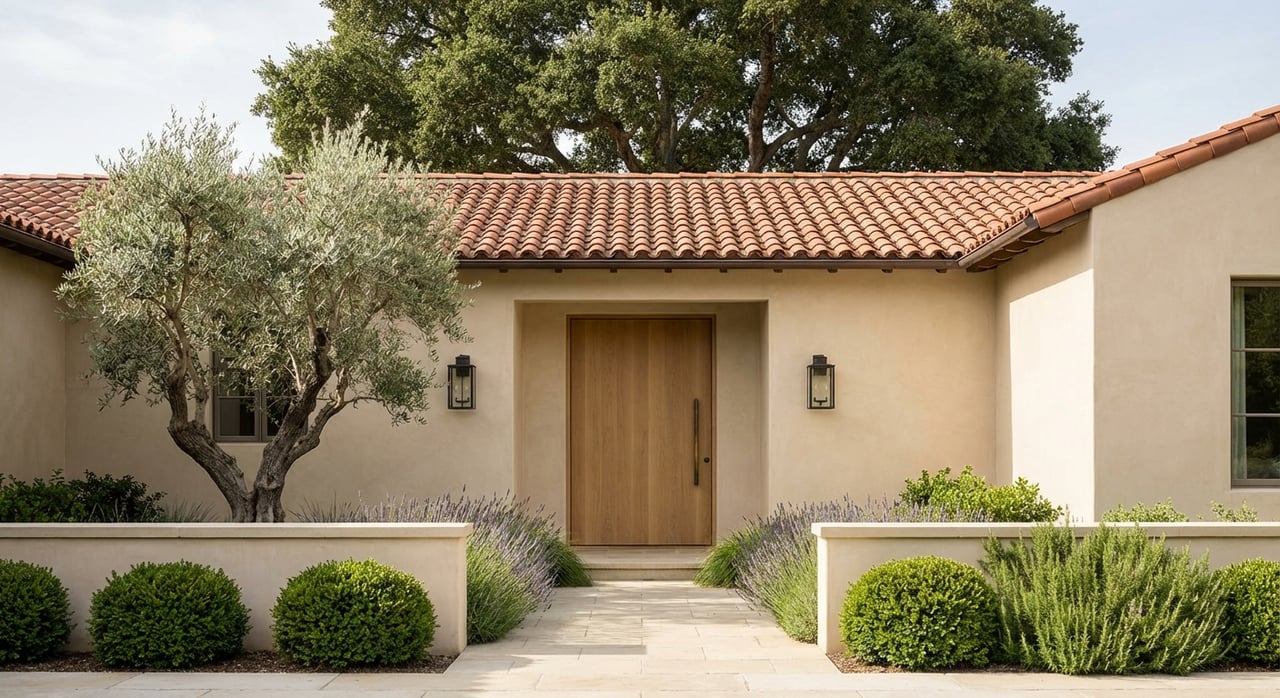
- Landscaping refresh, clean walkways, new mulch, and an inviting front door.
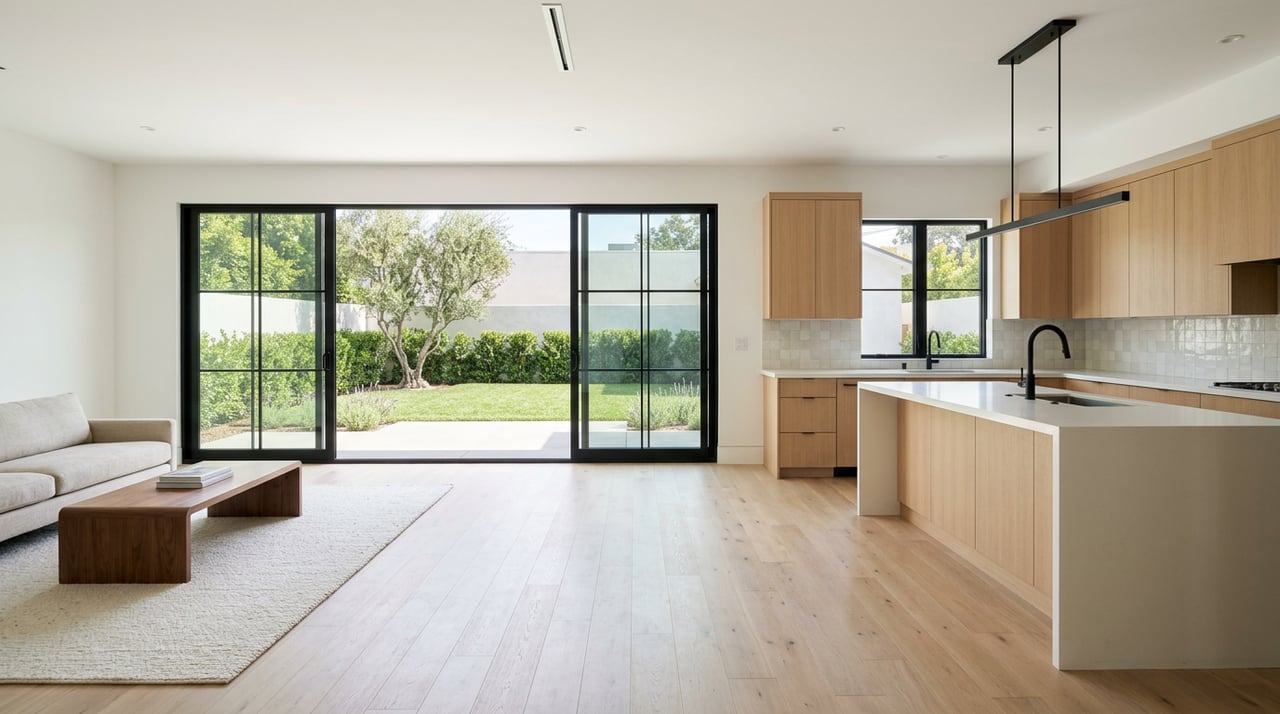
- Kitchen refresh, such as painted or refinished cabinets, updated hardware, modern lighting, new faucet, and new countertops if needed.
- Bathroom mini-remodels with new vanities and fixtures, regrout, updated mirrors, and lighting.
- Flooring improvements, including refinishing hardwoods and replacing worn carpet.
- Resolve termite or moisture findings and fix active leaks or drainage issues.
- Ensure electrical and HVAC function safely and reliably.
- Consider energy efficiency upgrades and EV readiness if they fit your comps and budget.
Calibrate to Cambrian comps
Look at recent top-quartile sales in Cambrian Park to set your target. Do not exceed the upgrade level of those comps unless you have a unique value driver. Tie each project to expected price lift. If a large remodel costs as much as the likely uplift, it does not pencil for a pre-listing timeline.
Choose your budget tier
Pick a tier that matches your timing, condition, and pricing goal. Each option aims for the strongest ROI relative to spend and speed.
Tier 1: Quick market ready
- Best for: light cosmetic needs and fast timing.
- Scope: pre-listing inspections and WDPR, declutter, deep clean, fresh paint, punch-list repairs, basic landscaping, and essential safety fixes. Professional but simple staging.
- Budget: roughly under 1 percent of your likely sale price.
- Timeline: about 1 to 2 weeks to market.
Tier 2: Competitive premium
- Best for: targeting higher quartile pricing with visible upgrades.
- Scope: Tier 1 plus kitchen and bath refreshes, flooring repairs or selective replacement, upgraded lighting, curb-appeal improvements, and resolution of material inspection items. Professional staging and top-tier photography.
- Budget: roughly 1 to 4 percent of your likely sale price.
- Timeline: about 3 to 6 weeks to market.
Tier 3: Top-end positioning
- Best for: move-up sellers who want to chase the highest comps.
- Scope: Tier 2 plus selective larger remodels such as a kitchen renovation or primary bath upgrade, system replacements near end-of-life, and major landscaping or hardscape projects. Use permits and obtain finals.
- Budget: roughly 4 percent or more of your likely sale price.
- Timeline: about 8 or more weeks to market.
Coordinate vendors like a project
Treat your prep like a mini renovation with a clear sequence and written agreements. The right order prevents rework and keeps your schedule tight. For larger scopes, build a buffer for permits and inspections.
Key vendor roles:
- Home inspector and pest inspector for WDPR.
- General contractor or specialty trades for kitchen, bath, paint, flooring, roof, HVAC, plumbing, and electrical.
- Landscaper and curb-appeal contractor.
- Professional stager and photographer, with twilight or drone if appropriate.
- Permit expediter for bigger projects.
Vendor selection checklist:
- Verify a California contractor license, insurance, and workers’ comp.
- Ask for recent local references and photos.
- Require written, line-item estimates with scope, materials, timeline, payment terms, and contingencies.
- For larger jobs, collect lien releases and proof of final inspections before closing.
Scheduling sequence:
- Start with inspections and any structural or system work.
- Follow with trades like plumbing, electrical, and HVAC.
- Finish with paint and flooring, then cleaning.
- Stage only after all work is complete, then schedule photography.
Risk management:
- Keep receipts, permits, warranties, and all inspection reports.
- For small jobs, a licensed handyperson can be efficient. Confirm when a contractor is required and whether a permit is needed.
Timeline templates for Cambrian sellers
Use these templates to plan your launch. Adjust for permit needs, vendor availability, and your scope.
Fast track, about 1 to 2 weeks:
- Day 0 to 2: Pre-listing inspection and WDPR.
- Day 2 to 5: Review findings, set scope, book painter, handyman, and landscaper.
- Day 5 to 7: Declutter, deep clean, and staging setup.
- Day 7 to 10: Professional photos and list.
Moderate track, about 3 to 6 weeks:
- Week 0: Inspections and WDPR.
- Week 1: Finalize scope and get 2 to 3 contractor bids.
- Week 2 to 4: Execute painting, flooring, kitchen and bath refresh, and landscaping.
- Week 4 to 5: Deep clean, stage, photograph.
- Week 5 to 6: List for sale.
Extensive repositioning, about 8 to 12 or more weeks:
- Week 0: Inspections, early design choices, permit determination.
- Week 1 to 3: Contractor selection and permit submission.
- Week 4 to 10 or more: Construction and system replacements.
- Final 1 to 2 weeks: Finals, cleaning, staging, photos, and list.
Tip: Build a 1 to 2 week buffer for vendor delays or permit approvals. If timing is critical, focus your dollars on the biggest buyer objections and disclose larger items with a price strategy.
Your pre-listing packet
Make it easy for buyers to say yes. A complete packet signals a well-cared-for home and supports clean negotiations. It also speeds escrow and reduces contingency risk.
Include:
- Pre-listing inspection report and WDPR.
- Receipts for recent system replacements or service.
- Permit records and proof of finals for past and current work.
- HOA documents if applicable.
- Recent utility bills if you are highlighting energy features.
- A one-page list of upgrades and warranties.
Common pitfalls to avoid
- Over-improving past the neighborhood’s top comps.
- Skipping permits to save time and later facing delays in escrow.
- Staging or photographing before final cleaning or paint touch-ups.
- Ignoring clear termite or moisture issues that buyers and lenders will flag.
- Forgetting the sewer scope on older lines when buyers will ask for it anyway.
Next steps
- Start with a strategy session to align price targets, timeline, and scope.
- Order inspections and build a prioritized, tiered plan with a clear budget.
- Obtain 2 to 3 bids for mid to large items, verify licenses, and lock your schedule.
When you are ready to position your Cambrian Park home for a premium result, connect with Brett Bynum for a data-driven plan, vetted vendor options, and hands-on coordination from prep to closing.
FAQs
Should Cambrian Park sellers get a pre-listing inspection?
- Yes, it reduces surprises, strengthens your disclosure package, and helps you target repairs that protect price and speed escrow.
Which pre-listing updates deliver the best ROI locally?
- Fresh paint, kitchen and bath refreshes, strong curb appeal, flooring improvements, and resolving pest or moisture issues typically move the needle.
How much should I budget before listing my home?
- Use tiers: under 1 percent for quick market ready, 1 to 4 percent for competitive premium, and 4 percent or more for top-end positioning depending on scope.
Do I need permits for my prep projects in Cambrian Park?
- Structural, electrical, plumbing, HVAC, and significant remodels often require permits, so check your address jurisdiction and keep proof of finals.
Is staging worth it for Cambrian buyers?
- Yes, professional staging helps buyers visualize and supports higher perceived value, especially when paired with quality photos.
What if an inspection reveals issues I do not want to fix?
- You can disclose the findings and offer a credit or price adjustment, then focus your budget on the most visible and risk-reducing items.
How fast can I go from decision to live on market?
- With light cosmetic work, plan about 1 to 2 weeks; with refreshes and flooring, plan about 3 to 6 weeks; larger remodels can take 8 or more weeks.